
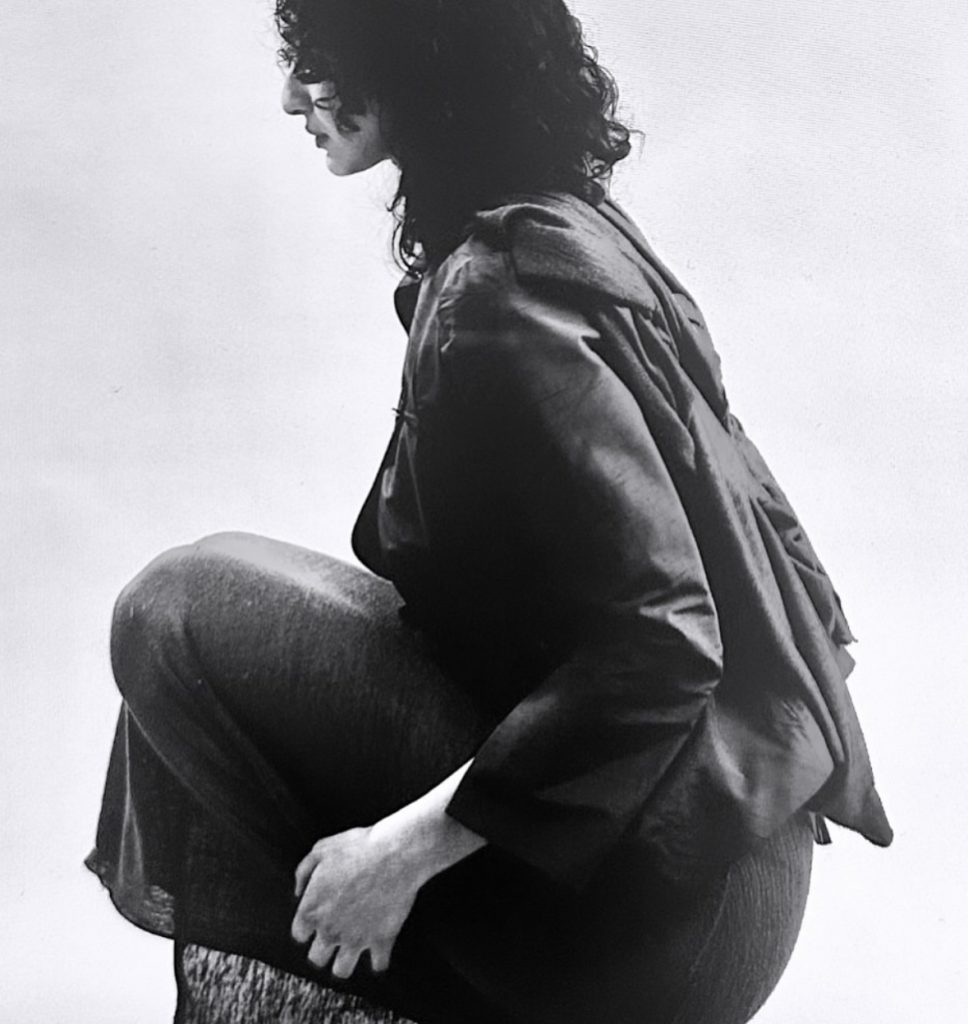
Does our culture define who we are? What we do? Or what we aspire to be? How does culture shape our identity? In the arts, it is common to see creatives who create a personal identity through their background or heritage—somehow as a way to embrace and showcase where they come from and how that becomes part of how they see life.
How identity moves through culture—quietly, insistently—and shapes the ways we see, create, and belong. For many artists, creativity becomes a form of remembering, a way of carrying lineage into contemporary spaces, of honouring heritage while reshaping it.
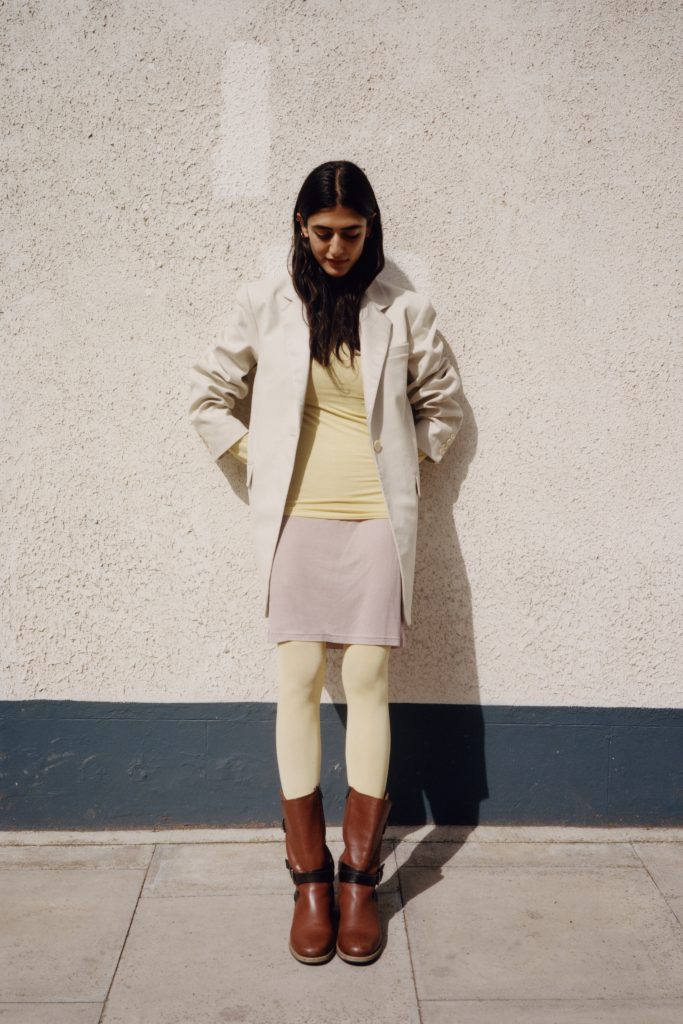
In the work of curator and creative director Jahnavi Sharma, these threads are not separate: they weave into a practice where personal memory, cultural codes, and artistic experimentation coexist. Rooted in experiences across London and now Delhi, her work bridges fashion, art, and cultural practice, moving between two worlds with both immediacy and severity. Over the years, she has built an ecosystem that encourages cross-pollination between disciplines, creating new forms of audience engagement and using each project as an opportunity to question narratives and orchestrate meaningful connections.
In this conversation, Jahnavi reflects on the duality of her journey between London and Delhi, the fluidity of her creative evolution, and the intimate cultural sensibilities that continue to ground and guide her work.
What first drew you into styling, and how did creative direction come into the picture?
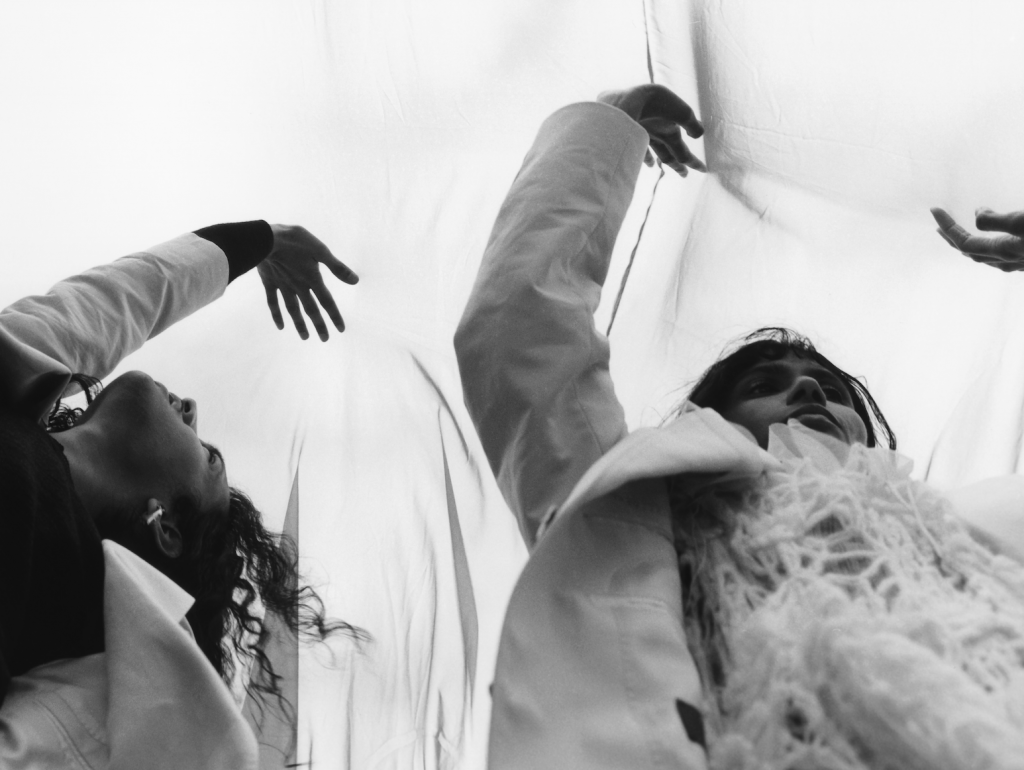
My last project as a stylist was Drawers. From the beginning, styling and creative direction went hand in hand for me—they were never separate practices, but parallel modes of shaping a visual and cultural narrative. What initially drew me to styling was the ability to construct meaning through garments, treating clothing as a language. Over time, my interests expanded beyond surface and image into the frameworks that give context to aesthetics.
Creative direction became a natural extension of this, allowing me to work across disciplines, orchestrate collaborations, and situate fashion within broader cultural and artistic dialogues. My practice has since evolved into curation and cultural authorship, where I focus on programming, narrative-building, and creating ecosystems that bring artists, institutions, and audiences into conversation.
How have culture and your personal journey influenced your work today?
Culture and my personal journey are the foundation of my practice. Having lived and worked between London and Delhi, I constantly navigate the tension between global cultural frameworks and the lived realities of India’s creative landscape. This has taught me to treat culture not as fixed, but as fluid, relational, and always in motion.
My journey—from styling to creative direction, and now to curation and cultural authorship—reflects a continual need to move beyond surface representation into frameworks that interrogate meaning, context, and audience. Much of my work is also intuition-driven, guided by instinct in choosing what I create, who I collaborate with, and how I frame narratives. My practice today emerges from this dual process: absorbing culture as a living archive while letting intuition and personal evolution reshape how I curate and direct it.

What message do you aim to transmit through your work?
Through my work, I aim to show that culture is not static but a living, shifting force that moves between disciplines, geographies, and personal histories. Fashion, art, and curation are interconnected languages that question how we understand identity, memory, and inherited narratives.
My practice is also a refusal to conform to outdated notions of what it means to be a curator, designer, or artist. To the traditional gatekeepers of fashion and art, I want to assert that the new generation does not need a prescribed trajectory to be valid. Creativity is not linear—it is free-spirited, non-linear, and often messy. My work invites audiences into dialogue, encouraging them to see culture not as fixed but as something they actively participate in. Ultimately, it is a call to reframe creative practice as authorship and strategy and to embrace the freedom of shaping culture on one’s own terms.
Do you see your work as a form of cultural activism?
I wouldn’t describe my practice as political in a direct sense, but rather as attentive to the gaps within cultural and artistic spaces. Many of my projects explore intimacy, bonds, and identity because these are sites where questions of representation and visibility are lived most vividly.
My intention is not to align with activism, but to highlight how culture often overlooks these subtleties and to create frameworks where they can be acknowledged. In that sense, my work becomes a cultural intervention—whether through textiles, images, or paintings—opening conversations about who gets represented, whose voices are included or excluded, and how creative practice can respond to these absences.
How do you balance tradition and experimentation when bringing your South Asian roots into a contemporary context?
For me, tradition and experimentation have always gone hand in hand. Even during my foundation in London, elements of my upbringing naturally entered my work. Growing up in Delhi in a traditional family shaped how I see and create—those influences show up in small details, whether in the way I frame projects or approach conversations around culture.
Much of this comes from memory. Watching my mother get dressed for work every day, wearing her raw silk saree and red bindi, left a lasting impression. These references naturally shape my practice. So when I bring South Asian roots into contemporary contexts, I don’t see it as balancing opposites—it’s about letting tradition inform the work organically while allowing space for experimentation and new expression.
Are there specific materials or cultural elements from India that inspire you?
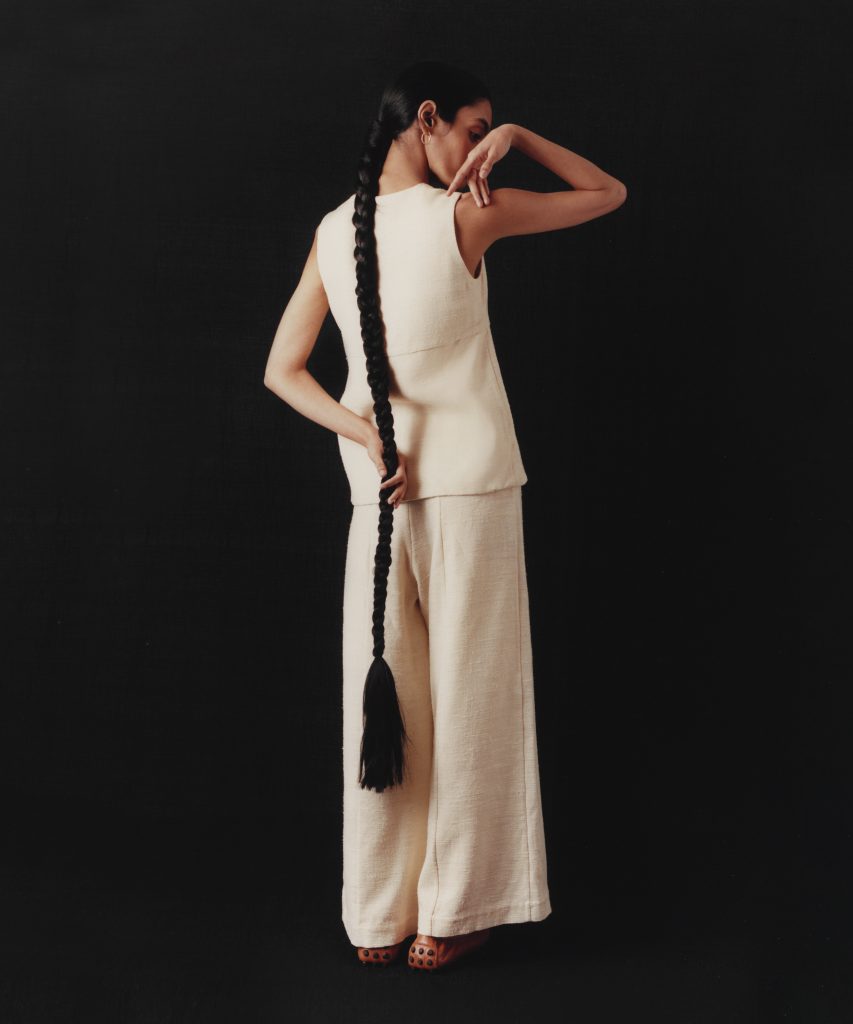
I often work with textiles and everyday materials from India because they carry familiarity and lived history. I’ve used matchboxes, glass bangles, and hand-embroidered fabrics—objects that are part of daily culture and collective memory. But my practice isn’t limited to literal symbols. Many references come from feelings, atmospheres, or experiences from my upbringing—the layering of spaces, the textures of markets, or the improvisational ways people reuse materials. These impressions appear subtly, shaping my sensibility as a creative director and curator.
What does collaboration mean to you?
Collaboration has always been central to my practice. In London, a strong culture of openness allowed me to work across disciplines and connect with diverse creators. Moving back to India, I’ve tried to bring that same authenticity, though the systems here operate differently and often require more flexibility. Still, it feels exciting to contribute to this shift.
My collaborative journey began through styling, shoots, and interviews, and later evolved into more immersive projects. I’ve worked with artists like Sougwen Chung and Lulu Wang, whose interdisciplinary practices deeply influenced me. Now in Delhi, I continue working with emerging artists, hearing their ideas, and helping them create meaningful work. Collaboration for me is never one-directional—it’s an exchange, a process of learning and growth that keeps my practice alive.
Your zine Drawers explores body, garment, and routine. How was this project born?
Drawers was a fully collaborative project that grew organically. It began with the intention to explore female creativity, sexuality, and body positivity. We wanted to create something meaningful and long-lasting rather than a one-off experiment. Its publication by Guest Editions in London gave it a wider platform.
Through the process, I learned how differently women relate to femininity and the body, yet how deeply similar many experiences are. The project showed me how sensitivity and boldness coexist, shaping how we navigate identity. It also allowed me to reflect on my own relationship with my body and share that vulnerability through a collective lens.

What themes or questions do you feel drawn to explore next?
I’m drawn to exploring how creation and creative direction can be expanded within the art field in ways that are more layered and connected to my own experiences. I’m interested in how personal narratives, cultural memory, and contemporary practice intersect, and how these intersections can open new possibilities for curation.
Being back in India, I see an exciting opportunity in how tradition meets modernity. There is potential for fresh dialogues around reimagining histories and cultural codes. I want to create work that feels authentic, rooted, and forward-looking.
If you could share five things you’ve learned from your journey, what would they be?
- Collaboration is not just logistics — whether with brands, artists, or organisations, it must be intentional and authentic.
- Great creative ideas need structured planning and clear impact.
- In the creative and cultural field, it’s important to position yourself not only as someone who “does,” but as someone who articulates why it matters.
- You don’t need to have everything figured out. Every year brings new learning—lean into the shift rather than fearing it.
- Saying no is okay. Not every opportunity aligns; make space for projects that expand and challenge you.
- And lastly: stop the noise from the outside world. There will always be critics, but trust what you’re building. It doesn’t need to make sense to others as long as it does to you.