
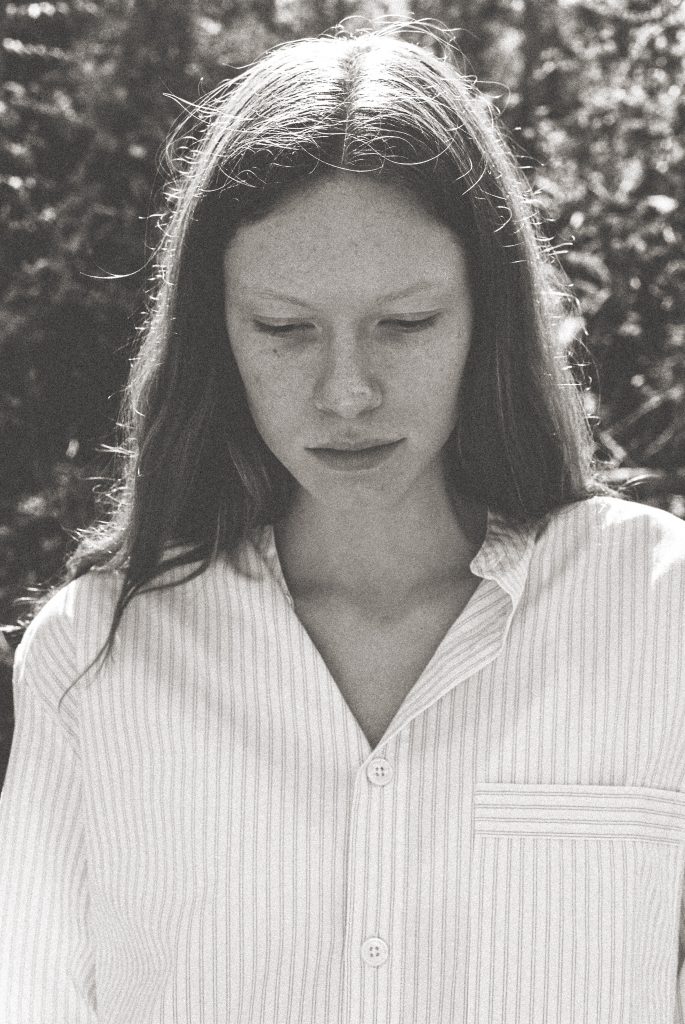
Being connected to what truly allows us to express ourselves is considered, for many, a form of therapy — staying in touch with what moves us and creating simply for the love of doing it.
When we decide to dedicate ourselves to pursuing creative paths, we often find them shaped by social and personal pressures, distancing us from the very reasons we were drawn to the arts in the first place. When something you love becomes your work, it can be challenging to remain aware of what fulfilled you at the beginning, let alone create a voice for yourself — one that truly represents who you are, if not as a person, then as an artist.
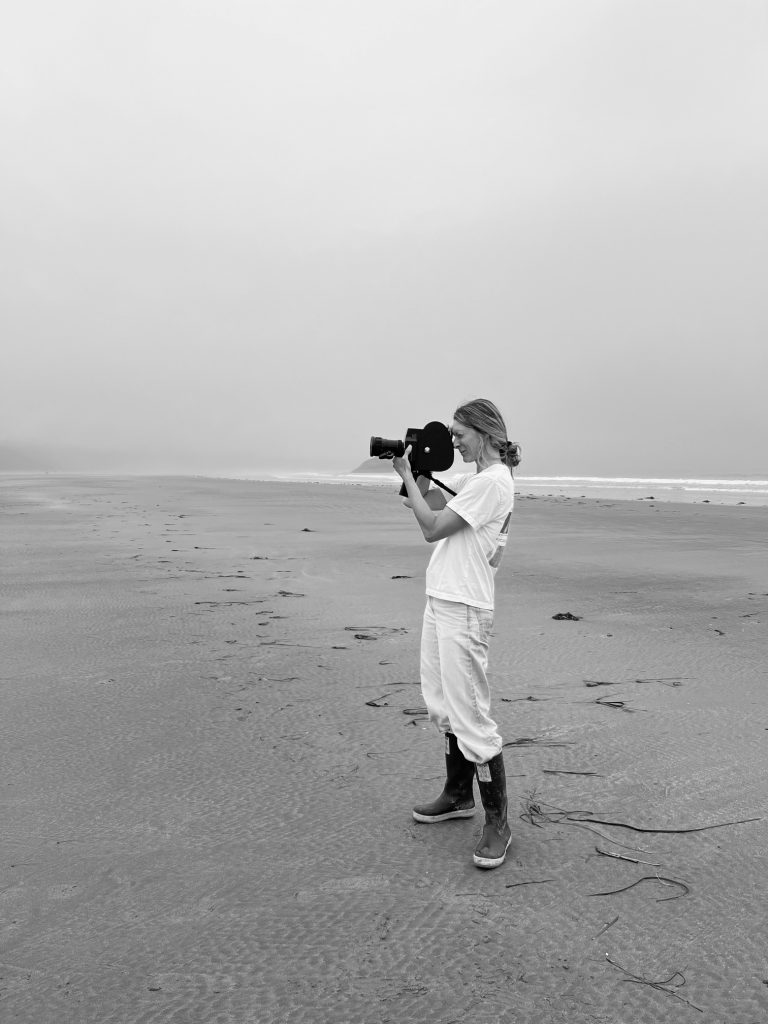
We recently sat down with Cristina Gareau, a French-Canadian photographer, to talk about what truly moves her when she photographs. Cristina, also known as Nanou, began her journey in photography in her early thirties — unplanned and, as she considers it, relatively late. What started as an unexpected path into a new creative career became her main form of expression. Known for her delicate, intimate imagery that mostly captures nature and women, she now works across commercial and editorial photography while continuing to create simply for the love of it.
When you create, what feelings or truths do you hope your photographs will awaken in others?
I don’t consciously think too much before taking a photograph. I feel like my values naturally come through my eyes rather than through words. I’ve always struggled with writing and expressing myself verbally, so photography became a way for me to communicate what I couldn’t say. I’m drawn instinctively to beauty, to nature, to small moments — and through the camera, I can share how I see the world and what matters to me.
What inspires you — visually, emotionally, or spiritually — when you pick up your camera?
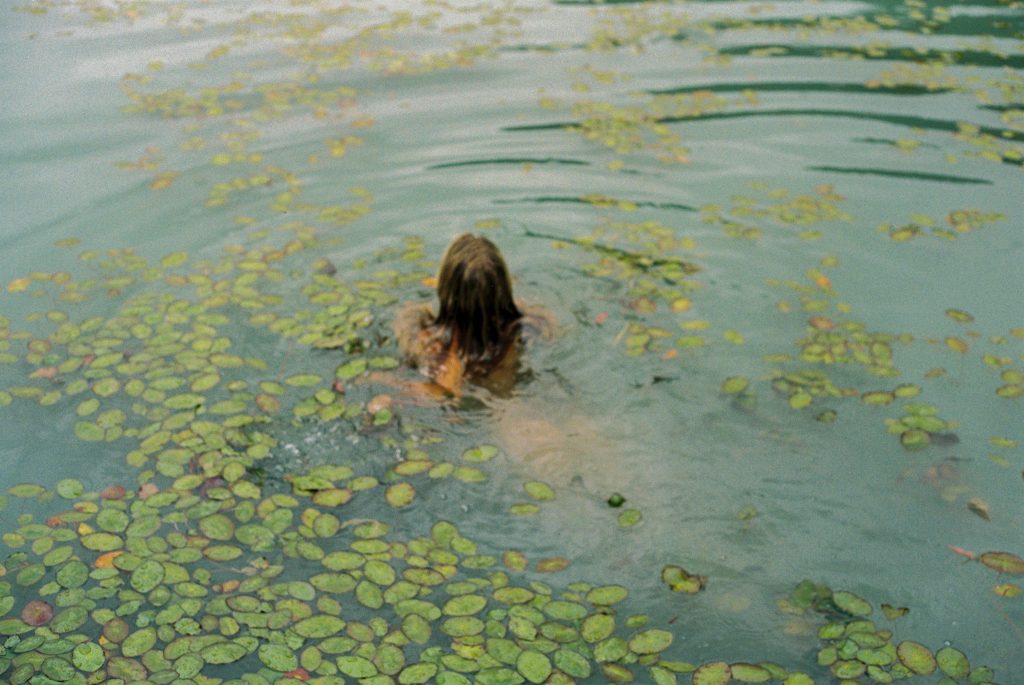
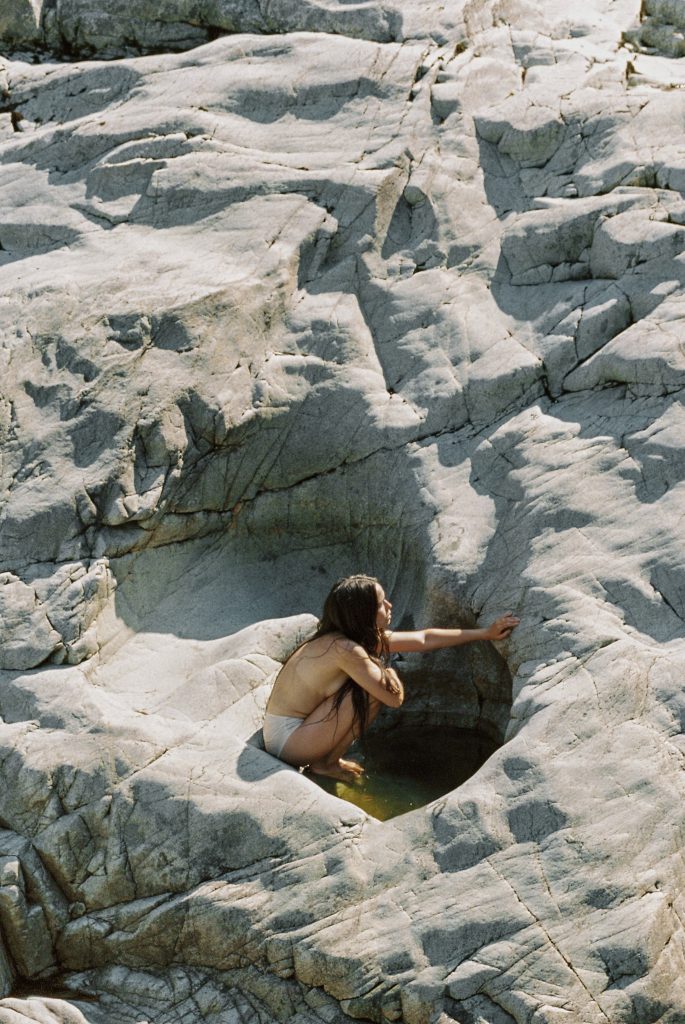
Nature and women inspire me the most. Those two themes feel very intertwined for me. I’m naturally drawn to photographing women, partly because that’s how my community formed when I started — friends who were willing to step in front of my lens — but also because of the deep connection I feel between femininity, care, and nature itself.
Is there a place that has become an anchor of inspiration for you?
Absolutely. That place is Tofino, on Vancouver Island in British Columbia. I honestly feel like I owe everything to that place. It’s a small surf town by the ocean, but it’s not just the landscape — it’s the energy, the community, the people. I’ve never met so many creatives who share the same values, passions, and sensitivity. It feels incredibly aligned, and just thinking about it fills me with emotion.
How would you describe your work, and when did it start to feel like your own language?
For a long time, I felt pressure to define my style, as if you can’t be a photographer until you have one. Now I believe the opposite. Style isn’t something you should chase — if you do, you’ll never find it. It comes naturally when you allow yourself to try everything you love. People now tell me they recognize my images instantly, even though I still don’t consciously think of myself as having a “style.” It emerged quietly, without pressure.
Women appear so centrally in your work. What do they represent within your visual universe?
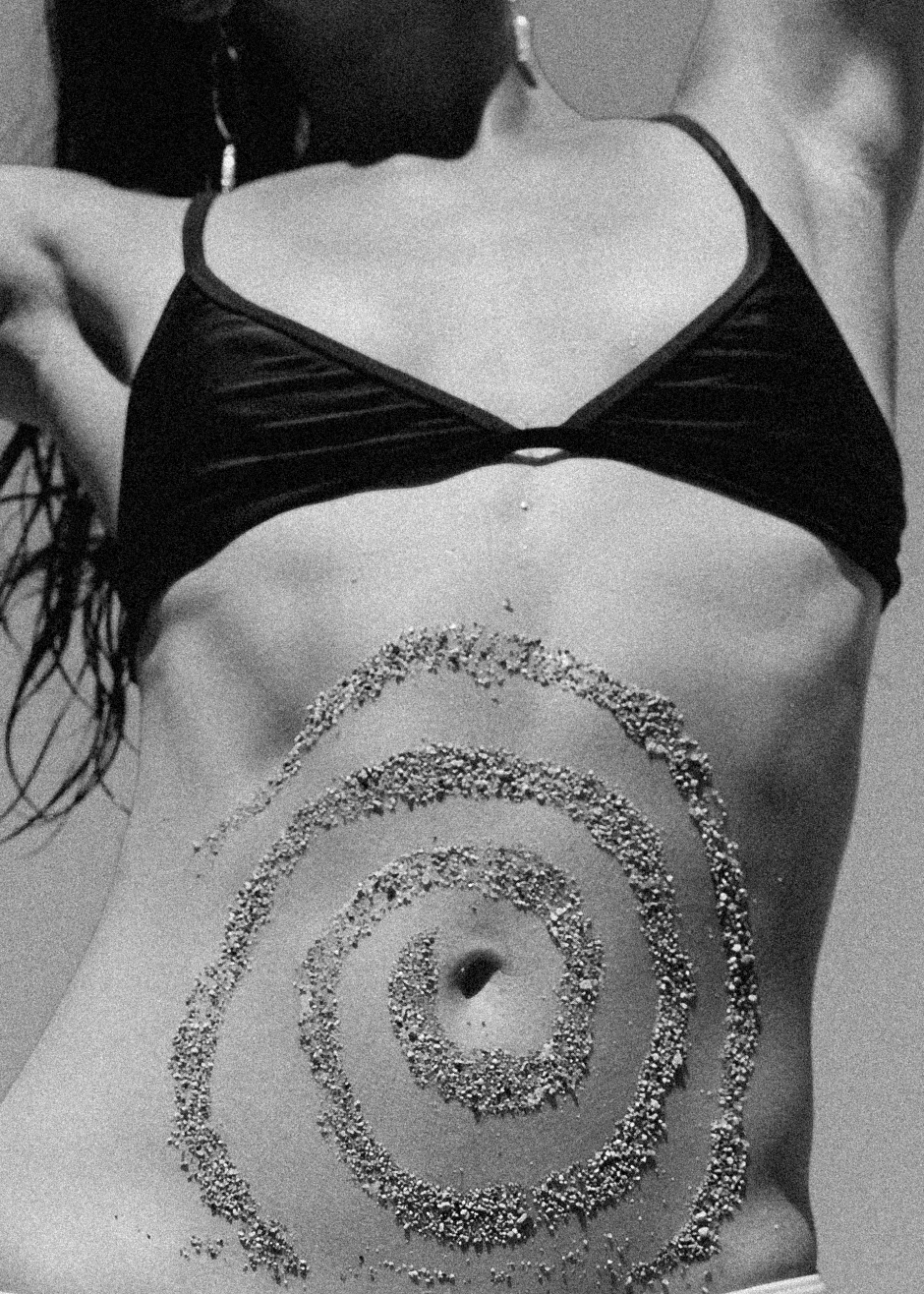
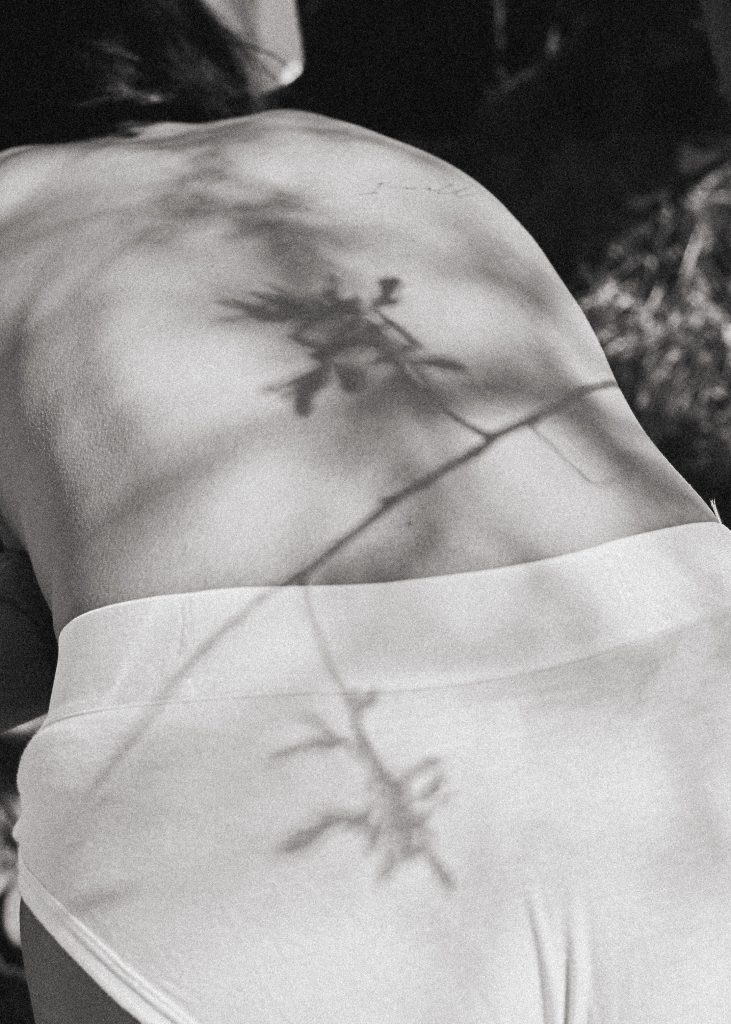
Now that I’m a mother, the connection feels even stronger. Women and nature share so much — care, softness, responsibility, strength. Nature nurtures us, and women often carry that same instinct. There’s also a visual harmony between the female body and natural forms — curves, textures, rhythms. It’s not about excluding men, but about honoring a bond that feels deeply intuitive to me.
How has your visual language evolved or surprised you over time?
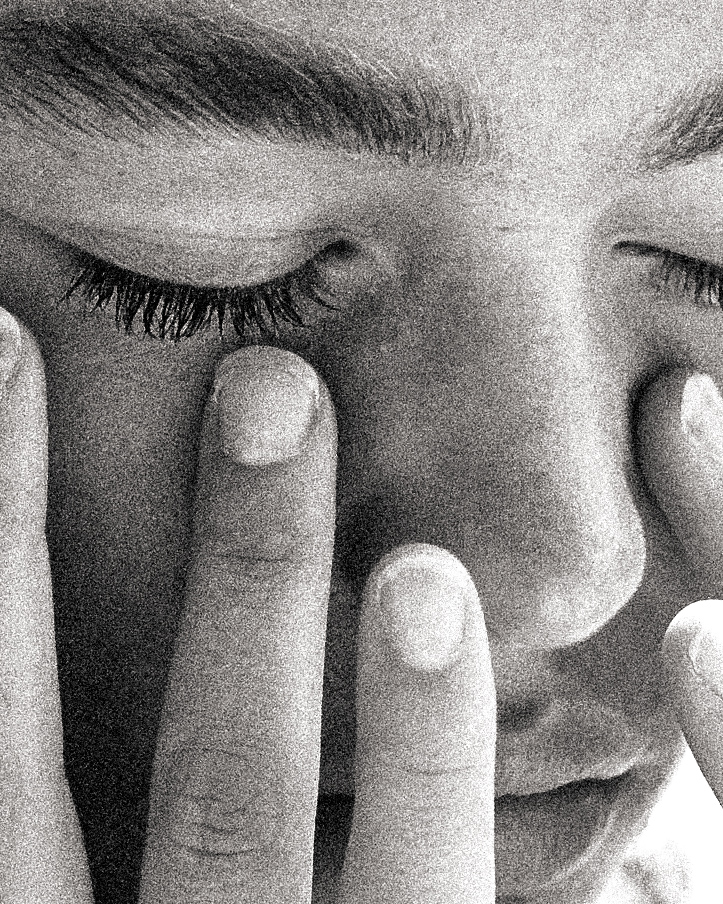
Making mistakes has been essential. Some of my favorite images were accidents — a flash misfiring, a strange crop, an exposure error. I never delete those moments. Coming from a background in cancer research taught me not to discard failures, because that’s often where discoveries live. Photography works the same way: when you allow mistakes, something unexpected and honest can emerge.
Storytelling feels very present in your work. How do you approach it?
There’s always a story, even if I don’t articulate it clearly beforehand. When I create a shoot, I build a vision in my mind — textures, colors, atmosphere, emotion. Cinema has influenced me a lot, especially old French films. Sometimes I give the model a role or a mood, but I always want her to remain herself. Everything works together to tell a quiet, emotional story.
In a world that moves so quickly, your photography carries a slower, more intentional rhythm. How do you stay connected to that pace in your process?
I try to protect moments of shooting that are just for me — without expectations, deadlines, or commercial pressure. That’s where I reconnect with why I photograph in the first place. I also don’t overshoot. I like to take my time, observe, wait for things to unfold naturally. Slowness allows me to be present with the person I’m photographing and with my surroundings, and that presence always shows in the final image.
Looking back, what five lessons continue to guide you today?
- Making mistakes and trusting them.
- Trusting my instincts, especially in commercial work.
- Learning when to say no to projects that don’t align with my values.
- Allowing my style to form naturally, without pressure.
- And most importantly, creating from passion rather than fear — because when things feel aligned, the right opportunities tend to follow.