
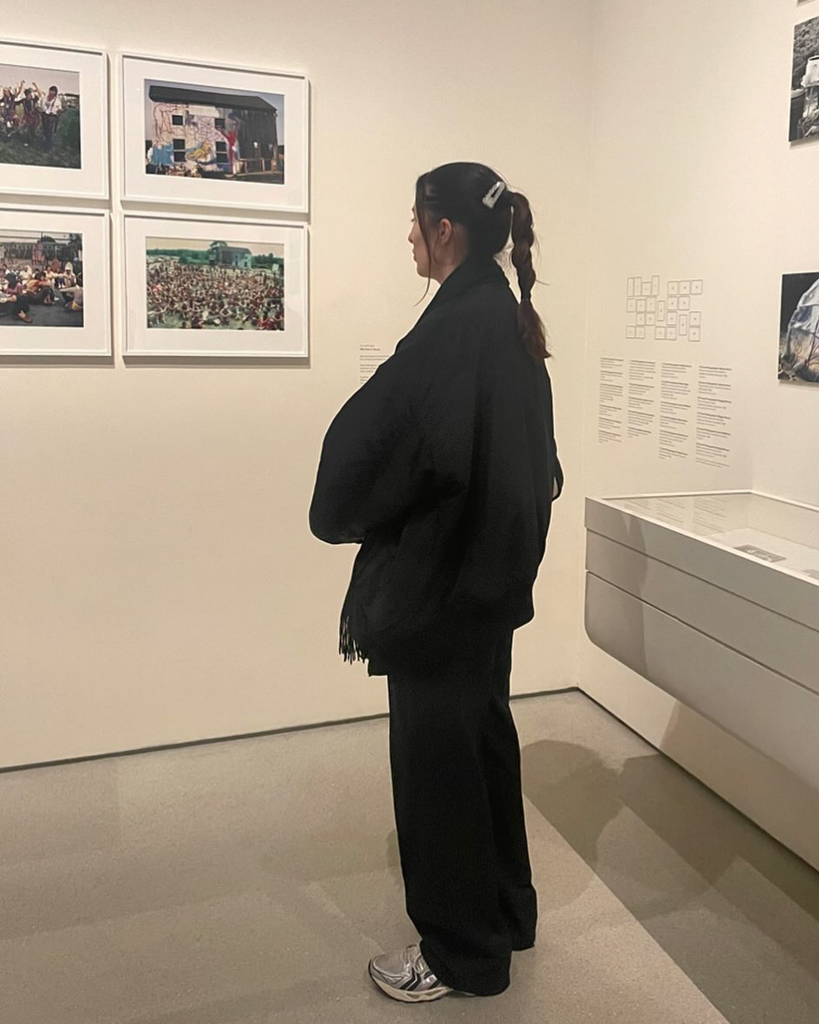
Sometimes there are creative paths that begin as a language for ourselves rather than simply a career. Ways of understanding who we are, how we see the world, and what draws us forward. Before careers, titles, or industries, there is often simply a feeling — the urge to leave, to search, to understand the world beyond what we’ve been given. For Ashleigh Kane, that instinct began in a small town in Australia, long before she entered the worlds of publishing, art, and cultural storytelling that would later shape her life.
Over the past decade, Ashleigh has built a practice that moves fluidly across writing, editing, photography, creative direction, and curation. After nearly ten years at Dazed, where she helped champion emerging voices and shape conversations around art, culture, and identity, her work has continued to evolve beyond the traditional boundaries of publishing. Over time, the act of telling stories became inseparable from creating the spaces where they could unfold — fostering conversations, building communities, and making room for new perspectives to emerge.
That instinct now takes shape through projects such as A Space Between, a gathering for women who write, and Girls That Ride, a global community for horse girls. Different in form but connected in spirit, both are rooted in a belief that creativity flourishes through shared experiences, unexpected encounters, and a sense of belonging.
We sat down with Ashleigh to speak about independent publishing, creative identity, following curiosity as a compass, and the importance of creating spaces where women can connect, create, and explore freely.
How did your journey into writing and editing first unfold? What drew you to the worlds of art, culture, and storytelling?
I’m originally from Melbourne, Australia, and I moved to London when I was twenty. I grew up in a small town where I didn’t really have access to culture in the way many people do. I never went to galleries or museums as a child — I didn’t even know those worlds existed. But I always felt there had to be something bigger beyond the life I knew.
When I was younger, I spent a lot of time online discovering fashion, photography, and independent culture through blogs and early internet communities. That opened something in me. I didn’t fully understand what creativity or cultural work meant yet, but I knew I was deeply curious.
I think storytelling comes from that curiosity. I’ve always wanted to understand why people create, why they behave the way they do, and why certain things move us emotionally. I’ve always been fascinated by the reasons behind people and the world around me.
You spent many formative years at Dazed & Confused, a cornerstone of independent publishing. How did working within a publication like Dazed shape your voice, your values, and your understanding of culture?
Dazed completely opened up a new world for me. It was my first internship, and I stayed within that “school of Dazed” for almost ten years. I came into it without a university degree or a clear path into publishing, so I was just grateful to be there.
At the time, I was working in hospitality in Soho, and suddenly found myself surrounded by artists, editors, photographers, musicians — all these people having conversations I had previously only observed from the outside. I became a sponge. I said yes to everything and figured things out as I went along.
Working there sharpened my values enormously. Conversations around gender, sexuality, race, and representation became central during those years, and being part of a progressive independent publication expanded both my empathy and my understanding of culture in a profound way.
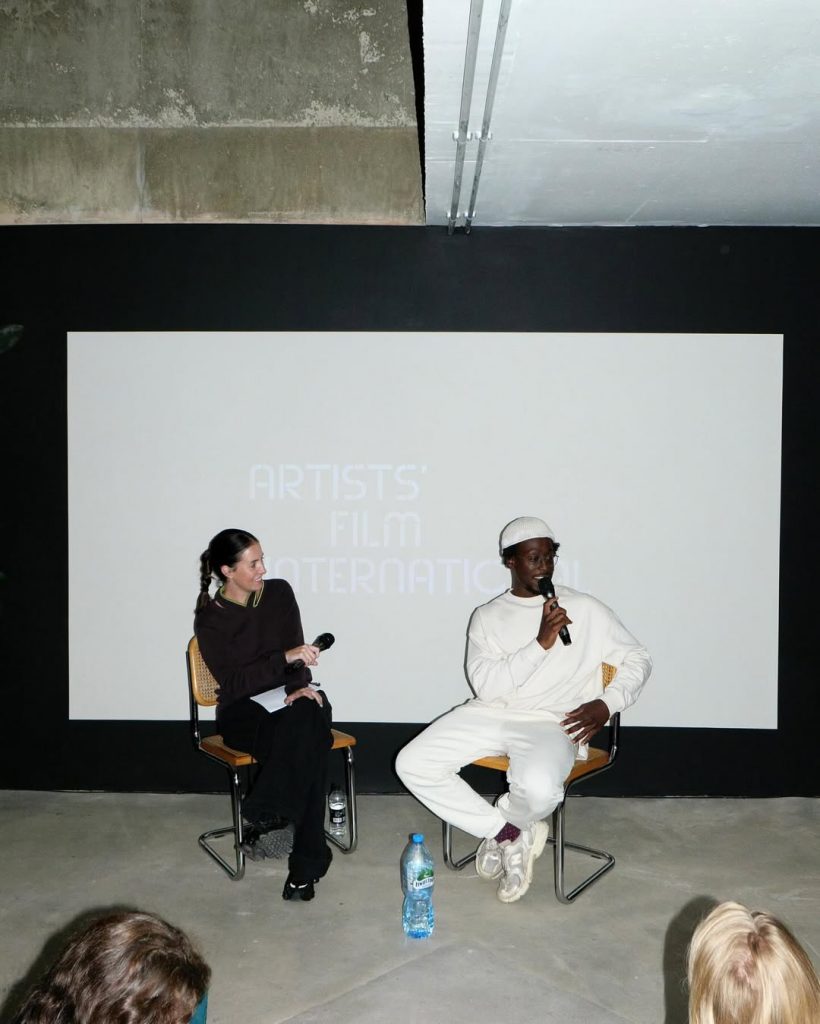
Your work engages deeply with artists, photographers, and emerging voices. What guides your eye when you’re curating, commissioning, or choosing whose stories to amplify?
Choosing stories is deeply personal and instinctive for me. Often, I feel something physically — goosebumps, excitement, a racing heart — and that’s usually my signal that I’m connecting with something.
Early in my career at Dazed, I commissioned emerging talents such as Tyler Mitchell, Nadine Ijewere, and Campbell Addy before they became globally recognised. At the time, we weren’t thinking about commercial success or industry validation. We were simply making work because we believed in it and felt excited by it.
Curating also feels deeply relational to me. I love finding invisible threads between people, images, emotions, and ideas — creating conversations between works in ways that feel intuitive rather than overly structured.
Throughout your career, you’ve nurtured and shaped narratives around art and identity. How has your perspective on the role of art in society evolved over time?
My perspective has evolved, but my core understanding remains the same: art answers questions. Whether those questions relate to reassurance, connection, understanding, or investigation, art helps us make sense of where we’ve been, where we are, and where we’re going.
I think visibility has also expanded enormously over the years. Communities that were once excluded from mainstream narratives are now creating their own platforms, magazines, podcasts, and spaces. Art has become a tool for representation, advocacy, and dialogue in a way that feels incredibly important.
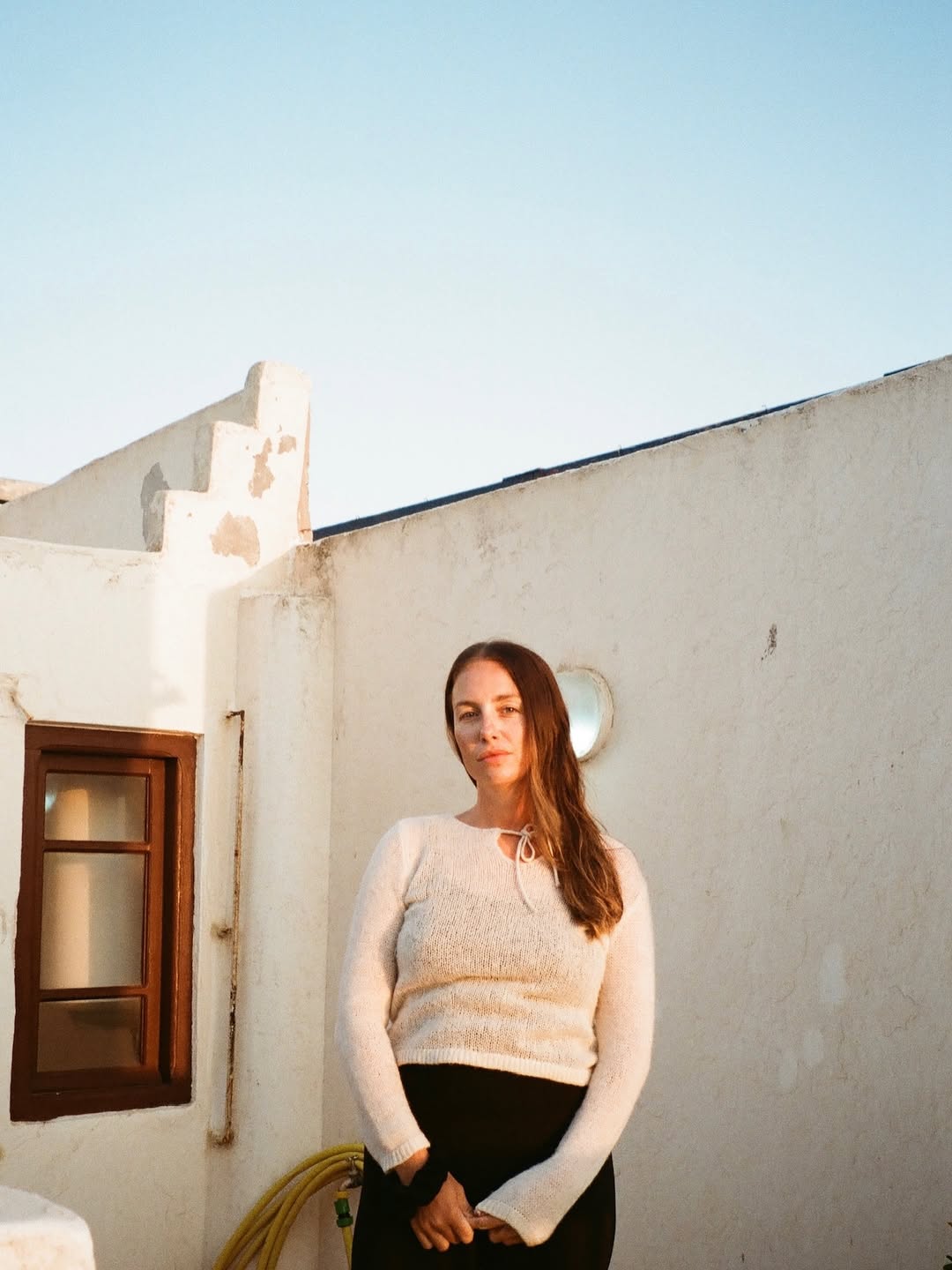
Earlier this year you launched A Space Between, with its first edition taking place in February and a second gathering following in April. This July, you’re hosting the first edition of Girls That Ride. What inspired the birth of these gatherings, and what conversations or transformations do you hope they will nurture?
A Space Between grew from experiences I had while travelling over the past year — particularly in places like Marseille, Barcelona, and Essaouira — where I found myself surrounded by strangers who slowly became important people in my life.
What transformed me wasn’t productivity or achievement, but the care that emerged through those experiences: sharing meals, swimming in the sea, spending time together, creating without pressure or expectation. Being welcomed into people’s homes and routines reminded me how powerful human connection can be.
During that time, I also started writing for myself again for the first time in years — not for a brand or publication, but privately. It reminded me that creativity doesn’t always need to lead somewhere or become something productive. Sometimes it can simply exist as a way of being with yourself and with others.
A Space Between came from wanting to create those conditions intentionally for other women — spaces rooted in connection, creativity, curiosity, and shared experience. The first edition took place in February, followed by a second gathering in April, bringing together women through writing, reflection, and conversation.
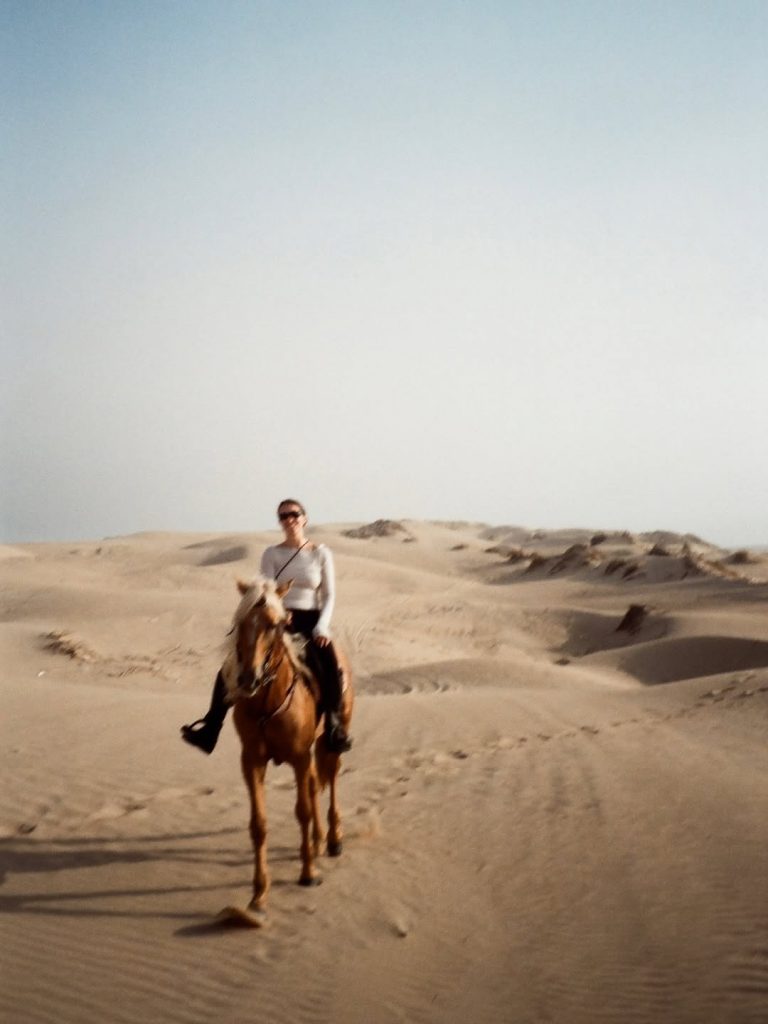
Girls That Ride emerged from a similar impulse, but through a different medium. Horses have a unique way of bringing us into the present moment. When you’re riding through vast landscapes, completely immersed in nature, there’s very little space to be anywhere other than where you are.
Set between Essaouira and Sidi Kaouki, the experience invites women to spend several days riding through beaches, dunes, waterfalls, and Argan forests, moving at the rhythm of the horses and the landscape. What interests me most is not only the riding itself, but the sense of freedom, presence, and connection that emerges through sharing that experience with a small group of women.
Whether through writing or riding, my intention is ultimately the same: to create spaces where women can slow down, reconnect with themselves, build meaningful relationships, and experience the kind of transformation that often happens when we step outside our routines and immerse ourselves fully in a place, a practice, and a community.
In your experience as both an editor and a curator of stories, what do you feel women need most in order to write freely? How do you approach nurturing that sense of safety, trust, and creative openness in the spaces you build?
I think many women struggle to give themselves permission to create freely because we live in a culture that constantly prioritises productivity and optimisation. Writing, or creativity in general, can begin to feel indulgent rather than necessary.
I feel that tension myself all the time. You want to write, but there’s always another client project, another responsibility, another practical task demanding your attention.
For me, creativity often requires stepping outside of routine — both physically and emotionally. Going somewhere new, interrupting familiar patterns, meeting different people. That’s why experiences like Marseille were so transformative for me creatively.
When it comes to creating spaces for others, I try to approach everything from a very human place. I lead with openness, empathy, and honesty. I think when people feel they don’t need to perform or present a perfect version of themselves, trust can develop naturally — and creativity often follows.
Across the many mediums you work in — text, photography, and curation — what themes or questions consistently call you back? What feels like the heart of your creative language today?
Identity always finds its way back into my work in some form — how we see ourselves, how we tell our stories, and how we connect with other people’s experiences.
Lately, I’ve also become very interested in rage, particularly the nuances of anger in women’s experiences and artistic practices. A lot of those conversations emerged through therapy, as well as through engaging with artists who explore rage as a lens for understanding emotion, agency, and power.
Beneath it all, though, I think my work always returns to connection — understanding people, creating spaces for them, and fostering experiences that make us feel less alone.
Looking back on your path, what five lessons have stayed with you and continue to guide your creative practice and the way you move through the world?
- If you’ve been invited into a space, you’re there for a reason — stop doubting yourself.
- If you’re not slightly embarrassed by your rates, you’re probably undercharging.
- Set boundaries with friends, clients, and work. Protect your peace.
- New people and experiences are essential for growth, even when they feel uncomfortable or unfamiliar.
- And finally: do the thing. Send the email, publish the work, take the risk. Momentum matters more than perfection.